


Typewise Custom Keyboard
3.31.57K Reviews
App Specs
- Version
- 4.4.47
- Updated On
- License
- Free
- Downloads
- 1,000,000+
- Developer
- Typewise
- Categories
- Personalization
- Platform
- Android
Screenshots

 Analysis by AppCompare
I spend enough time correcting phone typos to notice when a keyboard changes the feel of everyday writing. Typewise Custom Keyboard takes a less familiar route than the standard row-based layout, and that makes it interesting—but also means it asks for patience before it can become a comfortable replacement. My view is that it suits people who are genuinely bothered by cramped typing and are willing to relearn their muscle memory, rather than anyone looking for an instant, invisible switch.
Where the keyboard stands today
Typewise is a free personalization app from developer Typewise, with optional in-app purchases ranging from $1.99 to $24.99 per item. It has an average rating of 3.1 from around 15,000 ratings, alongside roughly 1,500 written reviews, and has passed a million installs. Those figures suggest a keyboard people are curious enough to try, but they also make it worth approaching with realistic expectations: a distinctive layout will not suit every set of hands or typing habit.
The current version is 4.4.42. That tells me which release a new user is considering, but a version number alone does not show exactly what changed along the way. I would treat it as a snapshot of the app’s present state, not a promise that the keyboard will feel polished for everyone. It is free to install, rated for Everyone, and requires Android 6.0 or later on Android; the experience may still differ between devices and operating systems.
What a different layout changes
Ever found yourself battling autocorrect, only to lose the fight miserably? Enter Typewise Custom Keyboard, a keyboard app that promises to revolutionize your typing experience. I decided to give it a whirl, and honestly, I was curious if it could live up to the hype. Spoiler alert: it did more than that.
A New Typing Experience
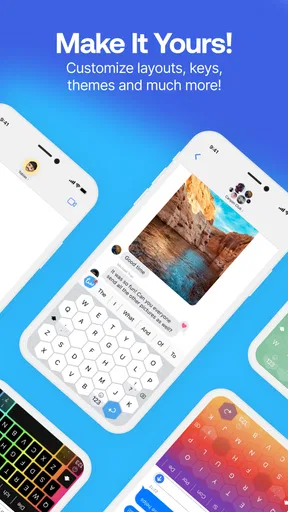
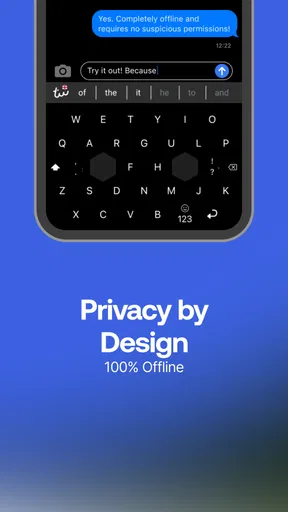
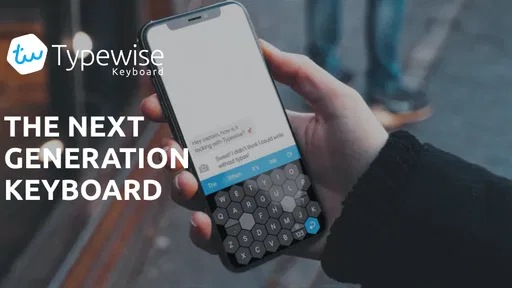
Opening the app for the first time, I was greeted with a hexagonal keyboard layout. Yeah, you read that right. It’s not your typical QWERTY setup. The Typewise Custom Keyboard is designed to reduce typos by 80%. At first, I was a bit skeptical, but the app offers a neat tutorial to help you get started. Believe me, once you get the hang of it, it’s a game-changer.
That unusual shape is the central trade-off, not just a visual theme. The larger hexagonal keys can make a crowded touchscreen feel less fiddly, but changing the arrangement means my thumb initially reaches for familiar QWERTY positions that are no longer there. I would not judge it by the first message I type. A fair test is to use it for low-stakes notes and casual chats, then see whether the new motion starts to feel dependable before relying on it for a hurried address or an important work reply.
Design and Usability
The design feels fresh and intuitive. The hexagonal keys are larger, which means fewer mistakes. I loved the fact that it felt less cramped compared to traditional keyboards. The app also allows for plenty of customization. You can tweak the themes, adjust the vibration intensity, and even modify the keyboard’s height. It’s these little touches that make your typing feel personal and tailored.
Worth Reading Before You Choose

EA SPORTS FC Mobile 26 Is a Bigger Football Game, but It Takes Time

Flipboard Shows What News Apps Must Do Beyond the Feed

Switching to Android Auto Means Rethinking Your Driving Routine

Google Calendar Makes a Crowded Week Easier to Manage

Ludo King Makes the Most of the Minutes Between Plans

Baby Panda World Brings Quick Play to Modern Phones, but Its Game Library Feels Busy
Height adjustment is especially useful as a practical compromise. A taller keyboard can make keys easier to reach, but it also leaves less room for the conversation or document above it. I would try a modest change first, then use the phone one-handed and two-handed before settling on a height. Vibration is worth tuning separately: feedback that confirms each press can help while learning, but too much can become distracting during longer sessions. Theme choice matters for comfort and legibility, not only appearance.
Smart Features
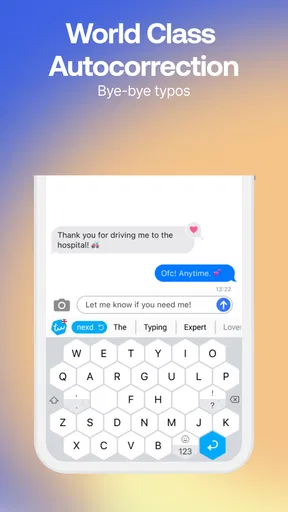
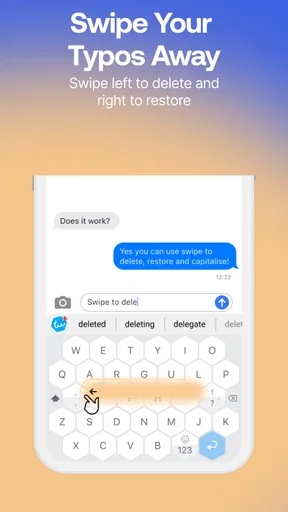
Typewise isn't just about looks. It’s packed with smart features that make typing a breeze. The autocorrect is impressively accurate, and the app learns from your typing habits. It’s almost as if it reads your mind! Emoji lovers, rejoice! The app offers a vast array of emojis, and they're just a swipe away.
Another feature worth mentioning is the text prediction. It’s not just predictive; it’s adaptive. As you type, it suggests words you might want to use next. This feature is particularly handy when you're in a rush or typing out longer messages.
Predictions are most helpful when I am composing ordinary sentences, where a suggested next word can keep a thought moving. They are less dependable as a shortcut for a proper name, a specialist term, or a phrase I use only occasionally, so I would still reread anything important before sending it. A useful way to assess autocorrect is to test the words you actually type—names, abbreviations, and work vocabulary—in a private note. If the keyboard repeatedly changes them, that friction may matter more than how well it handles everyday language.
Privacy First
In a world where privacy is a growing concern, Typewise takes it seriously. The app operates entirely offline, ensuring your data stays on your device. No data is sent to the cloud, which is a huge plus in my book. It’s reassuring to know that my keystrokes aren’t being logged somewhere.
That privacy-oriented approach may appeal most to someone who types personal notes or frequent private messages and prefers not to depend on cloud-based processing. It is still sensible to make a deliberate choice when enabling any keyboard: a keyboard handles everything you type into other apps, so I would review the operating system’s keyboard settings and decide whether I am comfortable making it my default. If privacy is your deciding factor, check the current app and device settings rather than assuming that one general description answers every question about the way your phone is configured.
Compatibility and Performance
I tested the app on both Android and iOS devices, and the performance was seamless across the board. Installation was straightforward, and the app integrated smoothly with other apps. Whether you're typing in a messaging app, sending emails, or writing notes, Typewise handles it all without a hitch.
For a realistic everyday test, I would install it before a normal day rather than switching keyboards in the middle of an urgent conversation. Start with a short shopping list, then reply to a friend, and later draft a longer message or email. That sequence reveals different things: whether the key layout works for quick taps, whether suggestions help with complete sentences, and whether the larger keyboard leaves enough screen space for writing. If the first task feels slow, that does not necessarily settle the question; if the same mistakes persist after practice, it is a more meaningful sign that the fit may be wrong.
The app is listed for Android 6.0 and later, while the store information also describes it for iOS. Since keyboard setup and system behavior can vary by device, I would follow the instructions shown on the phone rather than expect the same installation steps everywhere. If you use several languages, switch between unusual writing conventions, or depend on accessibility features, test those particular workflows before making it your everyday keyboard. A keyboard can feel excellent in a simple chat and still be awkward in a specialized routine.
Learning Curve
Now, let’s talk about the learning curve. The hexagonal layout is different, and it might take a day or two to get fully comfortable. But trust me, once you adapt, it feels like a natural extension of your fingers. The initial awkwardness quickly fades, replaced by a fluid and enjoyable typing experience.
I would not treat a particular number of days as a guarantee, because familiarity depends on how much someone types and whether they switch back and forth between keyboards. To give the new arrangement a fair chance, use it consistently for a stretch of ordinary, low-pressure writing. Switching back to a familiar keyboard every few minutes can keep both layouts competing for muscle memory. On the other hand, if accuracy or speed matters immediately for your job, keeping a familiar alternative available until you feel confident is a sensible safeguard.
Who is likely to enjoy it
I see the strongest case for someone who often hits neighboring keys on a phone, prefers larger targets, and is curious enough to learn a different layout. People who send lots of casual messages may have plenty of low-pressure opportunities to build familiarity. Someone who mostly dictates, writes only short fragments, or is already comfortable with a conventional keyboard may find less reason to change.
Compared with the usual QWERTY keyboard, Typewise makes the layout itself the main experiment. The standard arrangement has the advantage of familiarity, so it is the safer choice when I need to type quickly without thinking about key positions. A conventional keyboard with personalization options can be a better fit for someone who wants a familiar layout and only wants to change its appearance. Typewise makes more sense when the physical feel of the keys is part of the problem and I am open to changing how I type, not merely choosing a new theme.
There is also a practical reason not to switch every device at once. If you type on both a phone and a tablet, or regularly use a shared device, different layouts can make quick replies less automatic. I would first decide where the cramped-key problem is most noticeable and try Typewise there. If it earns a place in that routine, expand from there; if not, returning to a familiar layout is a perfectly reasonable outcome, not a failed experiment.
What to watch as you decide
The app is free to download, with optional purchases priced from $1.99 to $24.99 per item. I would try the basic keyboard in the situations that matter to me before paying for anything, then check what a purchase actually unlocks inside the app. That is a better decision than assuming a paid option is necessary simply because it appears in the store. The app is rated for Everyone, but the age label does not tell me whether its layout or typing tools will suit an individual’s needs; comfort is a personal test.
With a current version of 4.4.42, I would watch for changes in the features I use rather than infer a development story from the number alone. Updates can matter most when they affect a daily annoyance—such as a correction habit, a setting I rely on, or the general feel of typing—so I would read the in-app update notes when available and try the keyboard again after changes. My expectation is modest: continued usefulness depends less on a headline feature than on whether the core layout remains comfortable and reliable for my own writing.
One question people often have is whether a new keyboard will suit every app they type in. I would approach it as a system keyboard intended for everyday text entry, while checking any specialized app or input field that is important to my routine. Another is whether the hexagonal layout guarantees fewer mistakes. The design aims to make keys easier to hit, but no layout can promise the same result for every hand, screen, or typing style; the best evidence is a short personal trial with real messages and notes.
Why Typewise Stands Out
What sets Typewise apart is its commitment to enhancing your typing experience while respecting your privacy. It’s not just another keyboard app; it’s a thoughtful reimagining of how we type on mobile devices. The combination of innovative design, smart features, and privacy-centric approach makes it a standout choice for anyone looking to upgrade their typing game.
My recommendation is to try it if cramped keys and frequent mistaps are a real annoyance, and to give the layout enough consistent use to judge it fairly. I would skip it if I need familiar QWERTY typing at full speed straight away, or if changing the keyboard feels like more effort than the problem it solves. The lower average rating is a reminder that an unconventional design can divide opinions; it is not proof that the app will disappoint you, but it is a reason to test before committing to a new habit.
In conclusion, Typewise Custom Keyboard is more than just a keyboard app. It's a fresh take on mobile typing that prioritizes efficiency and user experience. If you’re tired of fighting with autocorrect and crave a keyboard that learns and adapts to you, give Typewise a go. It might just change how you think about typing.
Pros
- Innovative hexagonal layout boosts typing speed.
- Offers advanced auto-correction features.
- Strong privacy focus with no data collection.
- Customizable themes enhance user experience.
- Supports multiple languages for global users.
Cons
- Learning curve due to unconventional layout.
- Limited compatibility with certain apps.
- Premium features require a subscription.
- Occasional lag on older devices.
- No built-in emoji suggestions.
FAQs for Typewise Custom Keyboard
What is Typewise Custom Keyboard and how does it work?
Typewise Custom Keyboard is an innovative keyboard app designed to enhance typing efficiency and accuracy on both Android and iOS devices. It features a hexagonal layout to reduce typos, smart autocorrect, and customizable themes. The app utilizes advanced algorithms to predict the next word, making typing faster and more intuitive.
How does Typewise improve typing accuracy compared to standard keyboards?
Typewise improves typing accuracy by utilizing a unique hexagonal key layout, which is larger and reduces the likelihood of hitting the wrong keys. Additionally, the app offers a highly intelligent autocorrect system that adapts to your typing habits and custom dictionary, providing personalized corrections and predictions.
Is Typewise Custom Keyboard secure and does it protect user data?
Yes, Typewise prioritizes user privacy and security. The app functions entirely offline, meaning your data stays on your device and is never stored on external servers. This ensures that your keystrokes and personal information remain private and secure at all times.
Can I customize the appearance of the Typewise keyboard?
Absolutely! Typewise allows you to personalize your keyboard with various themes and color options. You can adjust the size of the keys, choose from different layouts, and even customize the autocorrect settings to match your personal preferences, making your typing experience truly unique.
Does Typewise offer support for multiple languages?
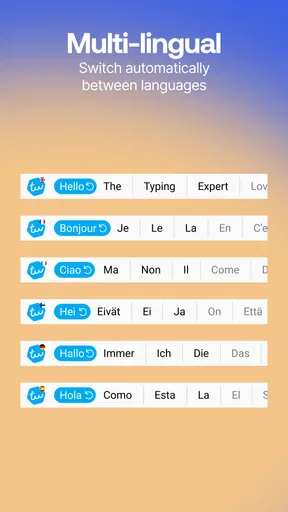
Yes, Typewise supports a wide range of languages, making it accessible to a global audience. The app offers multilingual autocorrect and prediction features, allowing users to switch between languages seamlessly. You can easily add and manage multiple languages from the app’s settings menu.


